Essay · 8 min read
What serious street dance and hip hop actually mean
Street dance and hip hop mean something specific. HK Dance Studios teaches from the real foundation styles, locking, waacking and house dance, not just chart choreography.
Published 28 May 2026 · Updated 28 May 2026
TL;DR
Street dance is the umbrella term parents recognise. Hip hop is the specific foundation style within it, developed from the early 1970s in New York and LA through locking, waacking, house dance and old school movement. At HK Dance Studios we teach from that lineage directly: children learn what locking actually is, where it came from, and how to do it correctly, building a foundation they can take anywhere.
Key takeaways
- Street dance is the umbrella term; hip hop refers to specific foundation styles with a traceable lineage from the 1970s
- Locking, waacking, house dance and old school are the building blocks HK teaches, not playlist choreography
- Don Campbell created locking in Los Angeles in 1972; it reached the world via Soul Train within two years
- HK teacher Ethan Brenchley has competed at the World Hip Hop Championship
- Children learn to freestyle within foundation styles as they progress, including cypher practice for older age bands
- The curriculum scales from HK Tots at age two through to the Elite competitive crew
- Foundation styles transfer: a child who has them can adapt to any choreography or direction
Every dance school in Essex says they teach street dance. Most of them do, in the sense that they teach choreography to current chart music in a style that borrows the look of hip hop. There is nothing wrong with that. But it is not what we teach at HK, and I think parents deserve to know the difference before they book.
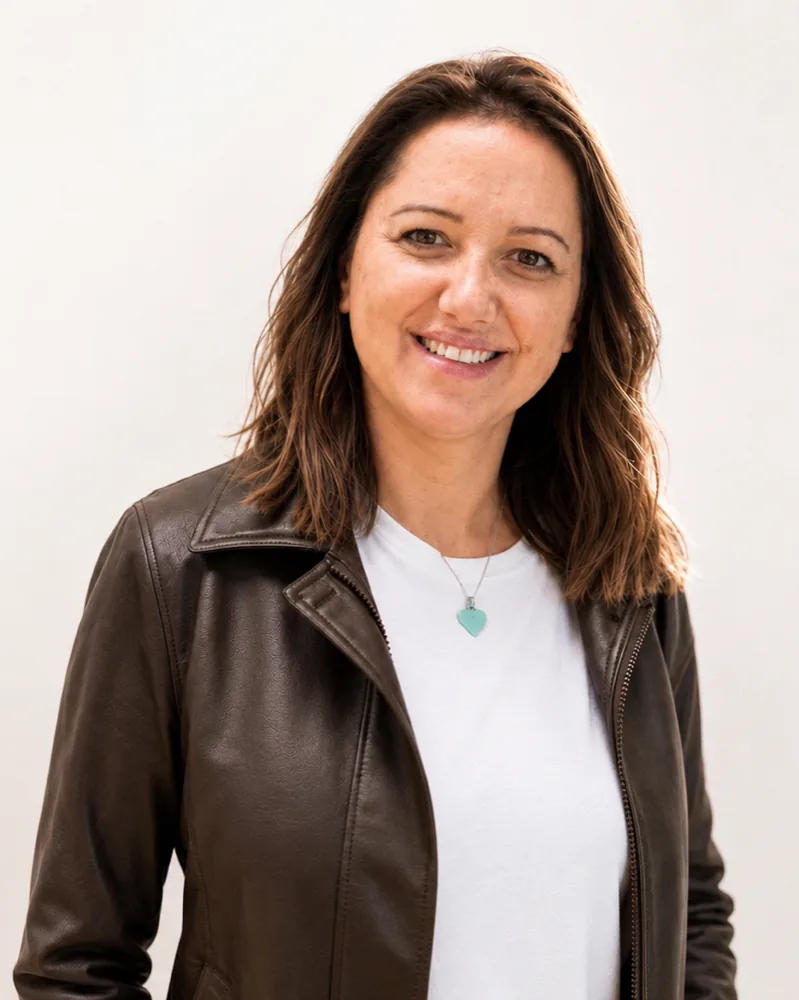
By Dionne Dalton, founder of HK Dance Studios since 2003.
The label and the lineage
When a parent searches for street dance classes in Essex, they are looking for a class where their child will learn to move confidently, make friends, and feel the music. That is exactly what HK offers. But the curriculum underneath that label is worth understanding, because it shapes what your child actually learns and who they become as a dancer.
Across most of Essex, street dance classes look roughly the same: a teacher puts on a popular track, breaks down an eight-count routine, and at the end of term the class performs it at a show. The kids enjoy it. They learn coordination and timing. The shows are fun.
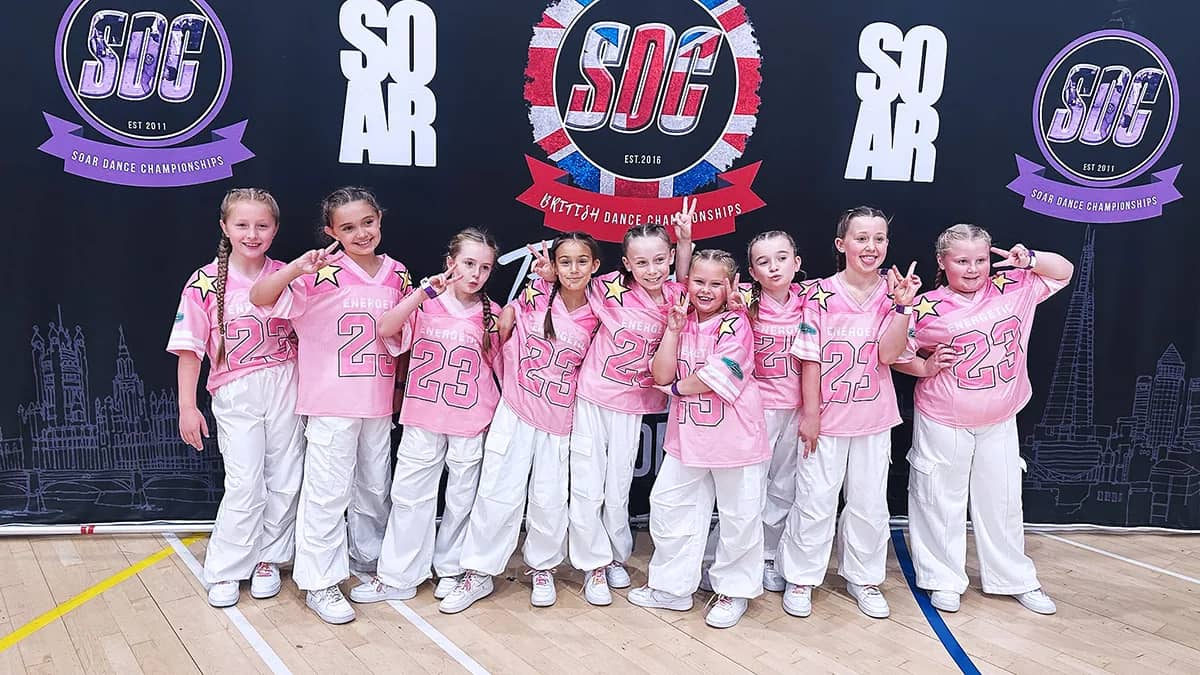
At HK, we do shows too. We do routines. We do end-of-term performances that parents come to watch and children are proud of. But the building blocks underneath the choreography are different. We build from the foundation styles of the hip hop lineage: locking, waacking, house dance, old school, and the freestyle vocabulary that connects them. Those foundation styles are not trendy. They have been alive for over fifty years. And they are the curriculum HK was built around when I opened the school in 2003.
Where it actually comes from
Don Campbell developed locking in Los Angeles in 1972. He created it by accident, freezing mid-movement and realising the lock itself was the move. Within two years, locking had spread from the streets to Soul Train, and from Soul Train to the world. That is the honest origin of what most people now call street dance.
Waacking emerged from the same era, from the underground club culture in Los Angeles in the early 1970s. The style grew through figures like Tyrone Proctor and gained a wider audience through Soul Train's broadcast reach. House dance came from Chicago in the 1980s, born in the clubs that gave house music its name. Old school hip hop developed in New York, in the Bronx block parties where b-boying and popping were the movement language of a generation.
These are not obscure academic references. They are the roots of every move your child will recognise from music videos, talent shows and TikTok. The difference is that at HK we teach the roots themselves, not just the surface.
When I say hip hop dance classes in Essex, I mean a class where a child learns what locking actually is, where it came from, and how to do it correctly. Not a class where the word hip hop appears in the title because the playlist is current.
What that looks like on a Tuesday in Billericay
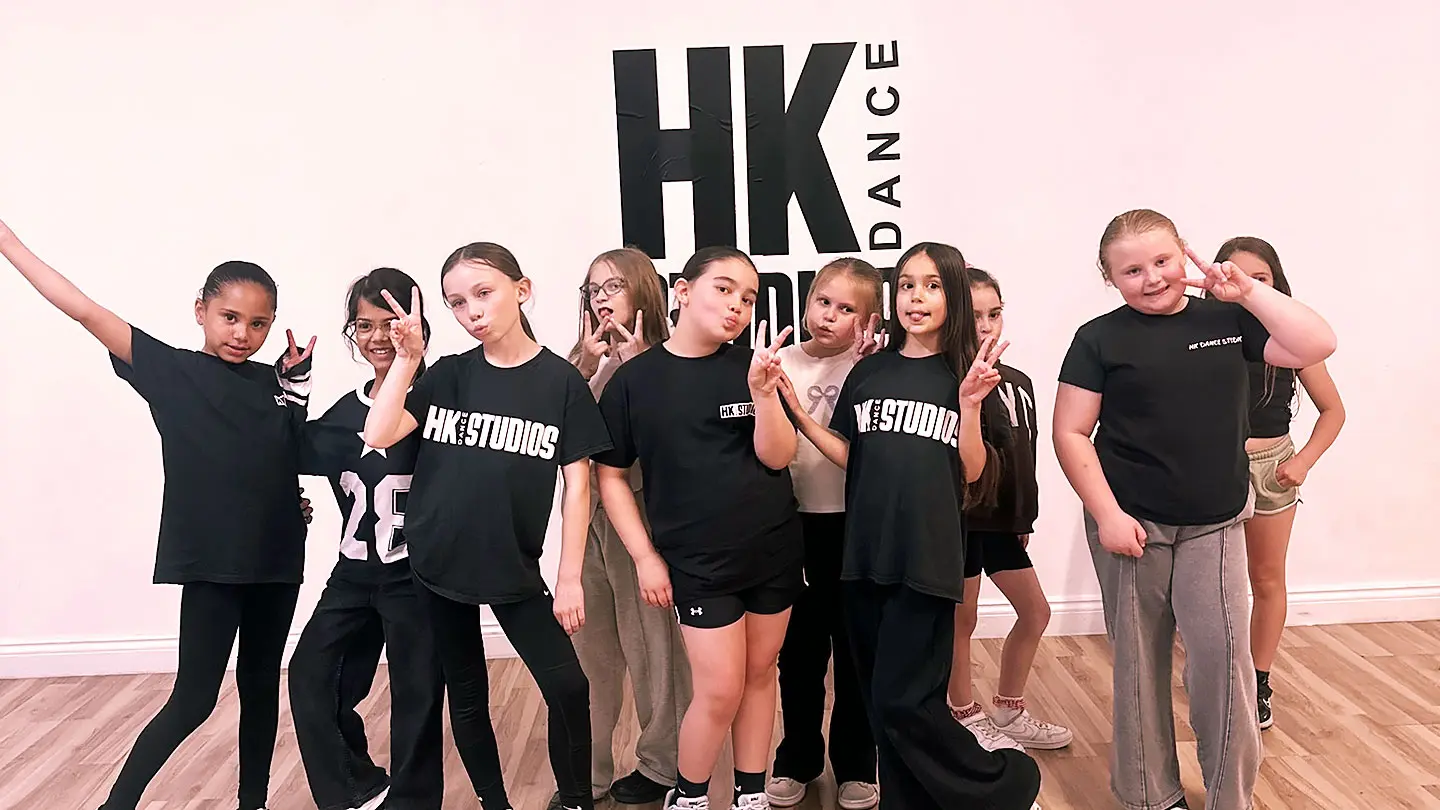
A nine-year-old in our Tuesday afternoon class at Billericay does not start by learning this week's chart routine. She starts with the foundation step: a basic hip hop groove that teaches her how to listen to a beat, how to settle her weight, how to move from a place of comfort rather than performance.
From the foundation step, the class builds into choreography that draws on the specific moves of whichever style we are working on that term. If we are doing a locking block, she learns the actual locking vocabulary: the lock itself, the point, the wrist roll, the scooby doo. Not gestures that look like locking. The real thing, broken down simply enough for a child who has been dancing for six months.
Towards the end of the session, older classes move into freestyle practice. Not improvisation for its own sake, but practised freestyle: the application of what you have learned to music you have not heard before. For older students, this sometimes happens in a cypher, a circle where each dancer takes the floor in turn. The cypher is not a performance. It is how hip hop has always been practised. It is also where you find out what you actually know.
None of this is out of reach for a child who has never danced before. The foundation styles are called foundations for a reason. They are the easiest and most satisfying place to start, and you can see the full street dance curriculum we cover across our four venues.
The people who built this programme
I opened HK in 2003 when I was eighteen. I had been dancing since I was a child, and I wanted to teach the same way I had been taught: from the lineage, not from the charts. Twenty-three years on, I still teach every week. The school has grown to four venues across Essex, but the curriculum has not drifted from where it started.
The teachers who deliver the hip hop classes at HK have competed and performed at the highest level. Ethan Brenchley has represented the UK at the World Hip Hop Championship, competing against crews from across the world in one of the most demanding formats in the sport. Ethan has also been a finalist on Britain's Got Talent. Holly Eveden has danced as a backing dancer on the Adam Lambert world tour. These are factual credits, not marketing language. They matter because they confirm that the people teaching your child learned from the same lineage they are now passing on.
Twenty-three years on the Essex floor also means something specific. We have seen the trends come and go. We have watched the name street dance get applied to things that bear little resemblance to the culture it came from. HK is a family-run school, not a franchise, and that lets us hold the curriculum to a standard that a chain with a syllabus committee rarely can. Our dance classes run across age bands from two-year-olds right through to adults, and the lineage runs through all of them.
What the Elite Team represents
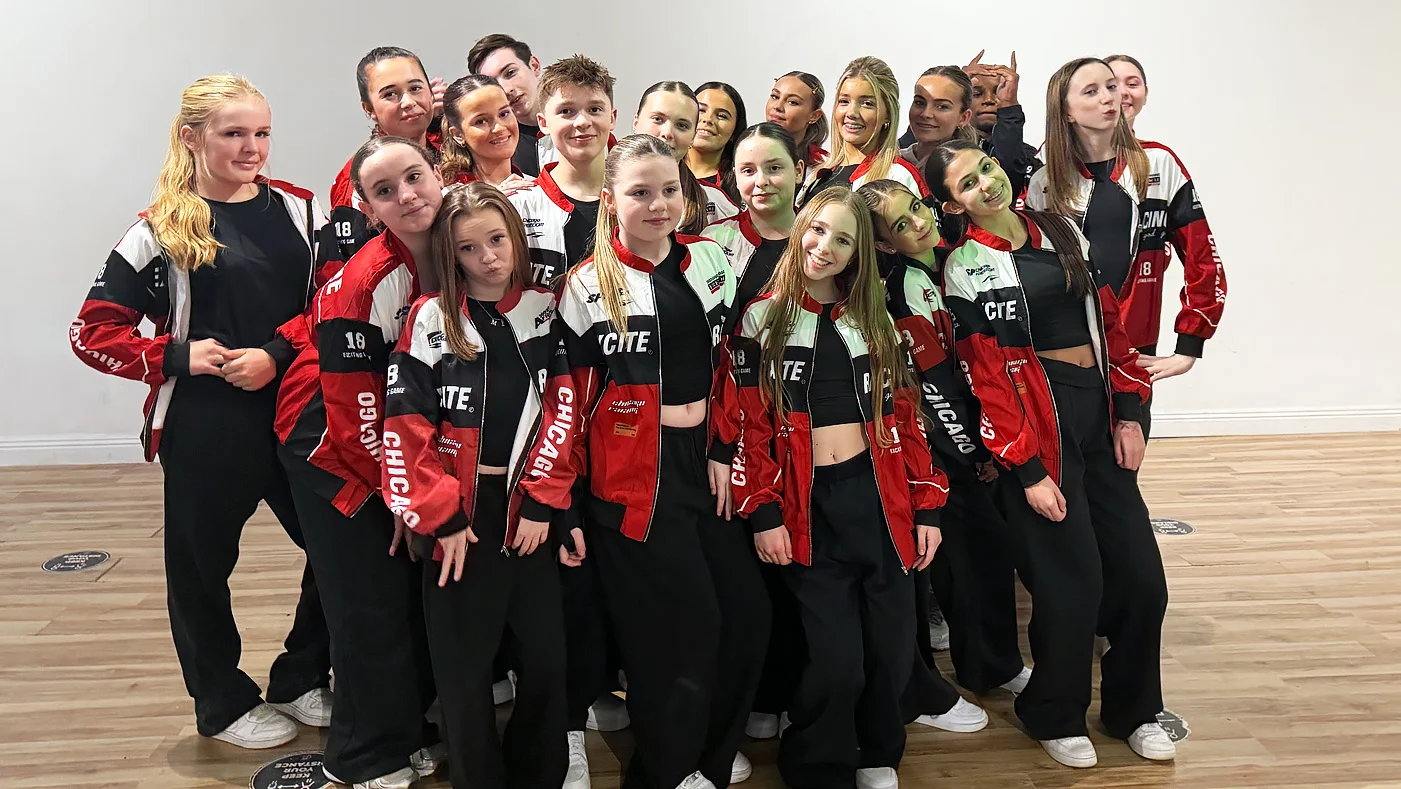
For children who want to take the foundation further, the Elite Team is there when they are ready. Adam and Ethan compete and train at the highest level of the sport, and the students who join the competitive crew train alongside them.
The Elite Team is not the goal for every child at HK, and we do not push anyone toward it before they are willing. Most of our families never compete at all, and their children have a brilliant time for years. But the path exists, and the fact that it exists at the highest level of the sport is what keeps the foundation curriculum honest. You cannot run a programme that competes at World Hip Hop Championship level and then teach something watered-down in the Tuesday afternoon class. The two have to connect.
What this means for your child
If your child wants to learn the foundations of hip hop properly, HK is built for that. If they want to come home with a bit more confidence and a friend or two after a Tuesday in Billericay, that is exactly as welcome. The foundation is there if they want to go further. It is also sufficient on its own.
The reason I am particular about the curriculum is not because I want to be precious about hip hop. It is because I have seen what happens to a dancer who has foundation styles versus one who does not. When the foundation is there, the child can do anything with it. They can take any choreography, any style, any direction, and find themselves in it. Without the foundation, they can only do the specific routine they have been shown. That is a real difference in what they carry forward.
The street dance classes we offer in Essex are warm, friendly and low pressure. The curriculum underneath is serious. That combination is exactly what I was trying to build when I started in 2003, and it is what HK still is.
If you are thinking about booking, the first class is free and you can find out what to expect before you come. If you are looking at Essex options more broadly, our guide to dance schools in Basildon covers the questions worth asking any school before you commit. Or book a free first class and see the curriculum for yourself.
Frequently asked
What parents ask us.
What is the difference between street dance and hip hop?
Street dance is the umbrella term most parents recognise when searching for classes. Hip hop is one of the specific foundation styles within it: a set of movement languages developed in New York and Los Angeles from the early 1970s onwards, including locking, waacking and house dance. Don Campbell created locking in 1972; waacking emerged from LA underground clubs; house dance came from Chicago. At HK we teach from that lineage, so street dance and hip hop describe the same curriculum from the outside in and the inside out.
Is street dance the same as commercial dance?
No. Commercial dance is choreography built around music videos and stage shows, borrowing moves from many styles to serve a visual effect. Street dance in the proper sense comes from community culture, freestyle sessions and cyphers. At HK we teach the foundation styles from the hip hop lineage. We do also offer a commercial class for older students, but it sits separately from the street dance programme and the two are never conflated.
What age can a child start street dance classes at HK?
We start at two years old through HK Tots. The youngest age band focuses on movement, rhythm and getting comfortable in a room full of other children. Foundation styles are introduced gradually from around age five, with full hip hop choreography from age seven upwards. The curriculum scales with the child: a two-year-old does not need to know what locking is; a ten-year-old doing a locking block will learn the real vocabulary, broken down simply.
Do you teach choreography or freestyle at HK?
Both, and they connect. Every class works through choreography grounded in the foundation styles. As students progress they learn to freestyle within those styles, applying what they know to music they have not heard before. Older age bands practise in a cypher format, a circle where each dancer takes the floor in turn. The cypher is not a performance. It is how hip hop has always been practised and where you find out what you actually know.